
- Written by: admin
- March 6, 2026
Picture this: In the heart of Kibera—one of Africa’s largest informal settlements—where daily struggles often feel endless, a quiet revolution is unfolding. Women who once felt trapped by poverty, violence, and shame are now stitching together hope, dignity, and real financial freedom.
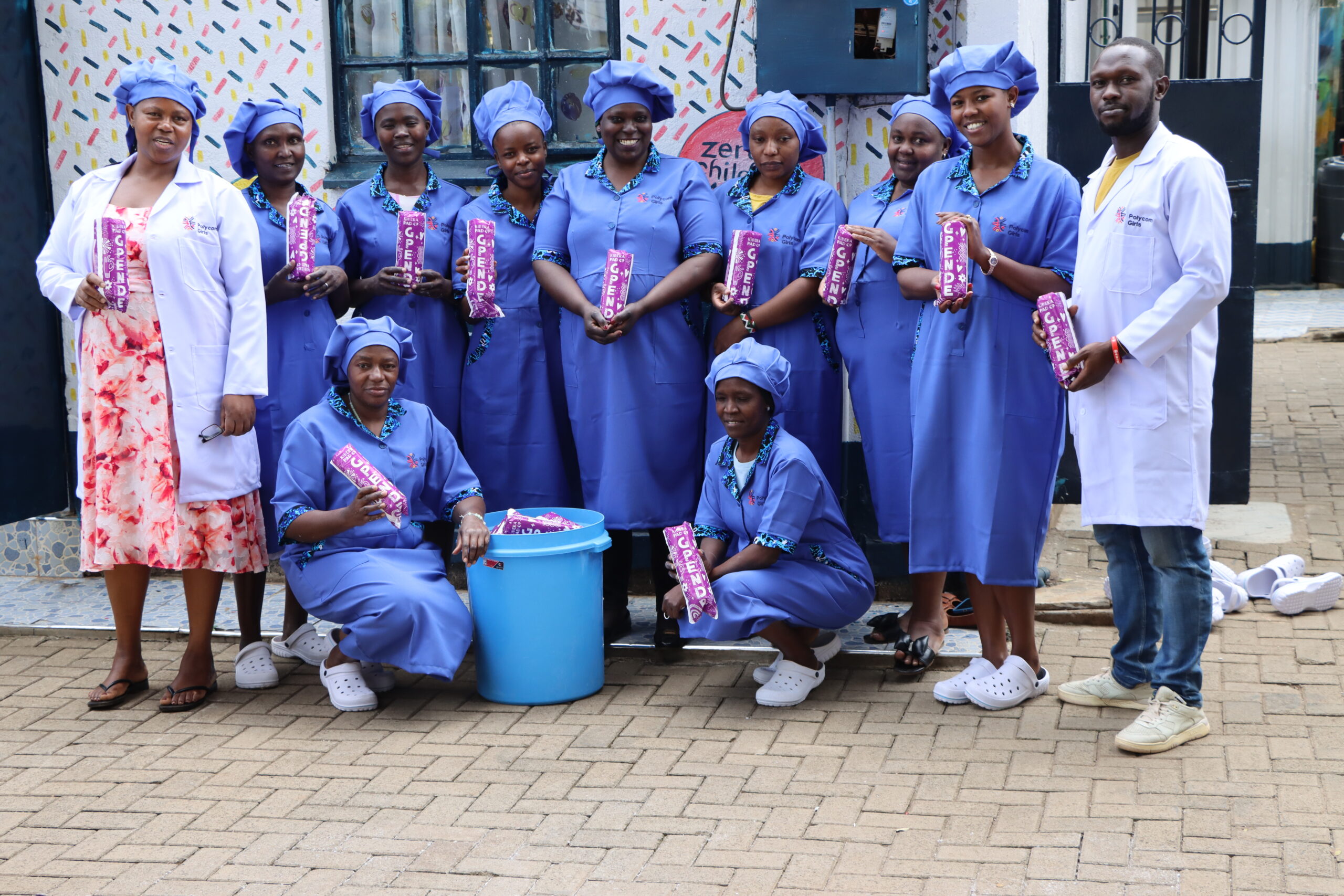
Through Polycom Girls and their inspiring Kibera Pads Company (home of the beloved G-Pende pads), what began as a mission to end period poverty has blossomed into a powerful engine for women’s economic empowerment.
The Spark: Turning a Basic Need into Opportunity
In Kibera, period poverty forces thousands of girls to miss school every month—sometimes forever. Up to 65% never complete their education because families simply can’t afford pads. But Polycom Girls refused to accept that reality.
In partnership with Kibera Pad Company we built a mini-factory right in the community, where local women—many survivors of gender-based violence (GBV)—produce high-quality, eco-friendly disposable pads. These pads are distributed free to over 6,000 adolescent girls each year across dozens of schools within Kibera, ensuring they can stay in class, learn, and dream bigger.
The real transformation? The women making those pads gain steady jobs, skills training, and income that changes everything.
A dedicated team crafts at least 400 pads daily. For these women, the factory isn’t just a workplace—it’s a lifeline. One survivor described how the role restored her sense of purpose, allowing her to support her children and siblings while rebuilding her life after unimaginable hardship.
Beyond the Factory: Seed Capital That Grows Dreams
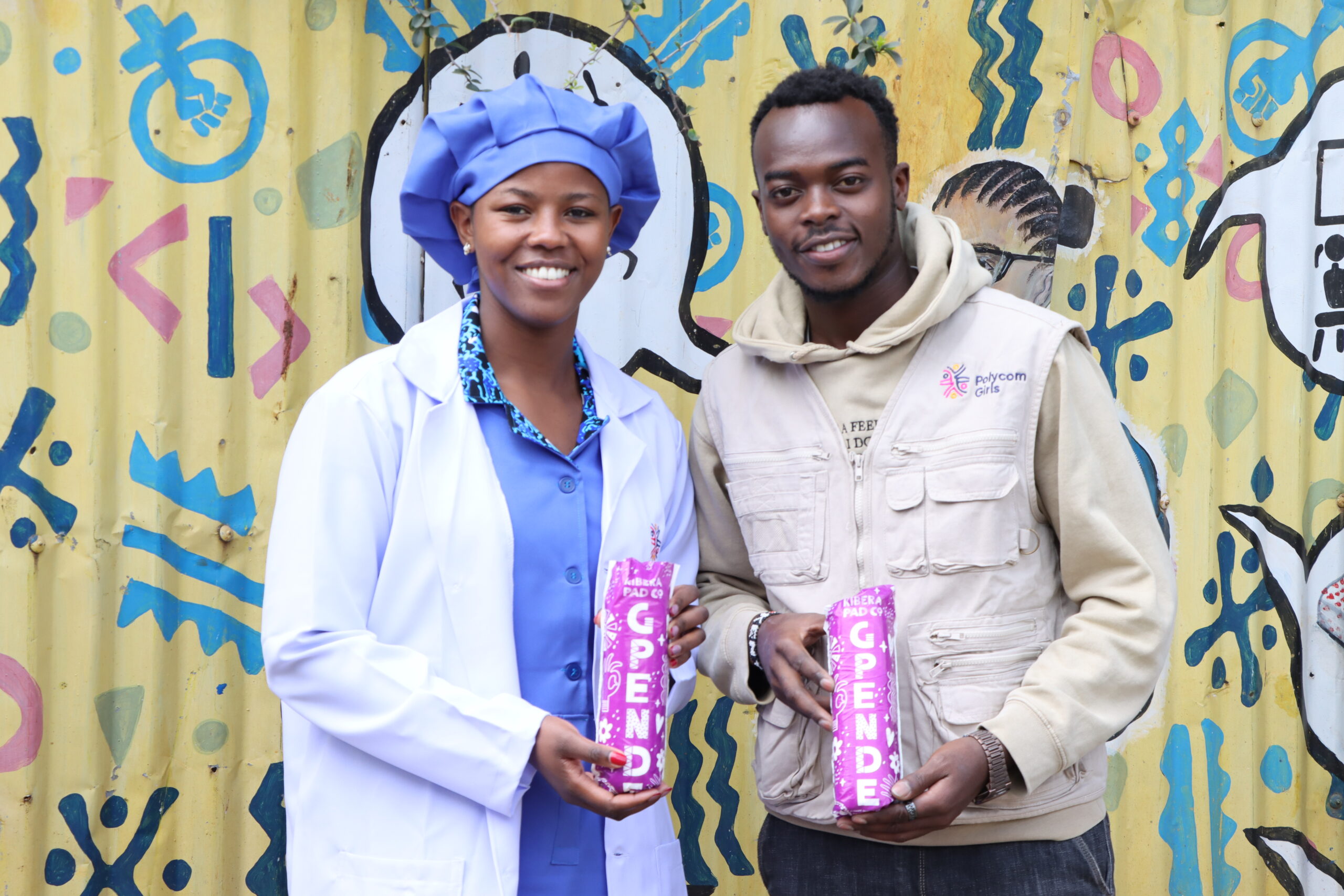
Polycom Girls doesn’t stop at employment. They offer savings schemes, financial literacy, business training, and seed capital—turning wages into lasting independence.
Real women are now running their own ventures:
One young woman channeled her earnings and seed support into a maize-selling business. Today, her maize selling business buzzes with customers, providing fresh, affordable food to the community while steadily supporting her family.
Another took her savings and launched a salon, offering hair styling, braiding, and beauty services. From factory floor to entrepreneur, she’s now her own boss—building confidence, serving clients, and inspiring neighbors to believe in their potential.
These aren’t rare exceptions. They’re proof that when women gain economic tools, they don’t just survive—they thrive, break cycles of dependency, and lift entire families.
The Ripple Effect: Dignity, Education, and Stronger Communities
Girls stay in school longer → academic performance improves → future opportunities multiply.
Women earn independently → they escape abusive situations → families gain stability.
Communities heal → men join dialogues on gender norms → violence decreases.
It’s a powerful chain: one pad produced, one girl in class, one woman empowered, one business born.
Why This Matters—and How You Can Help
In Kibera, sanitary pads have become more than hygiene products. They’re tools of liberation, symbols of dignity, and catalysts for prosperity.But the work is growing, and so is the need. Scaling production, reaching more schools, expanding business training, and providing more seed capital requires ongoing support.