
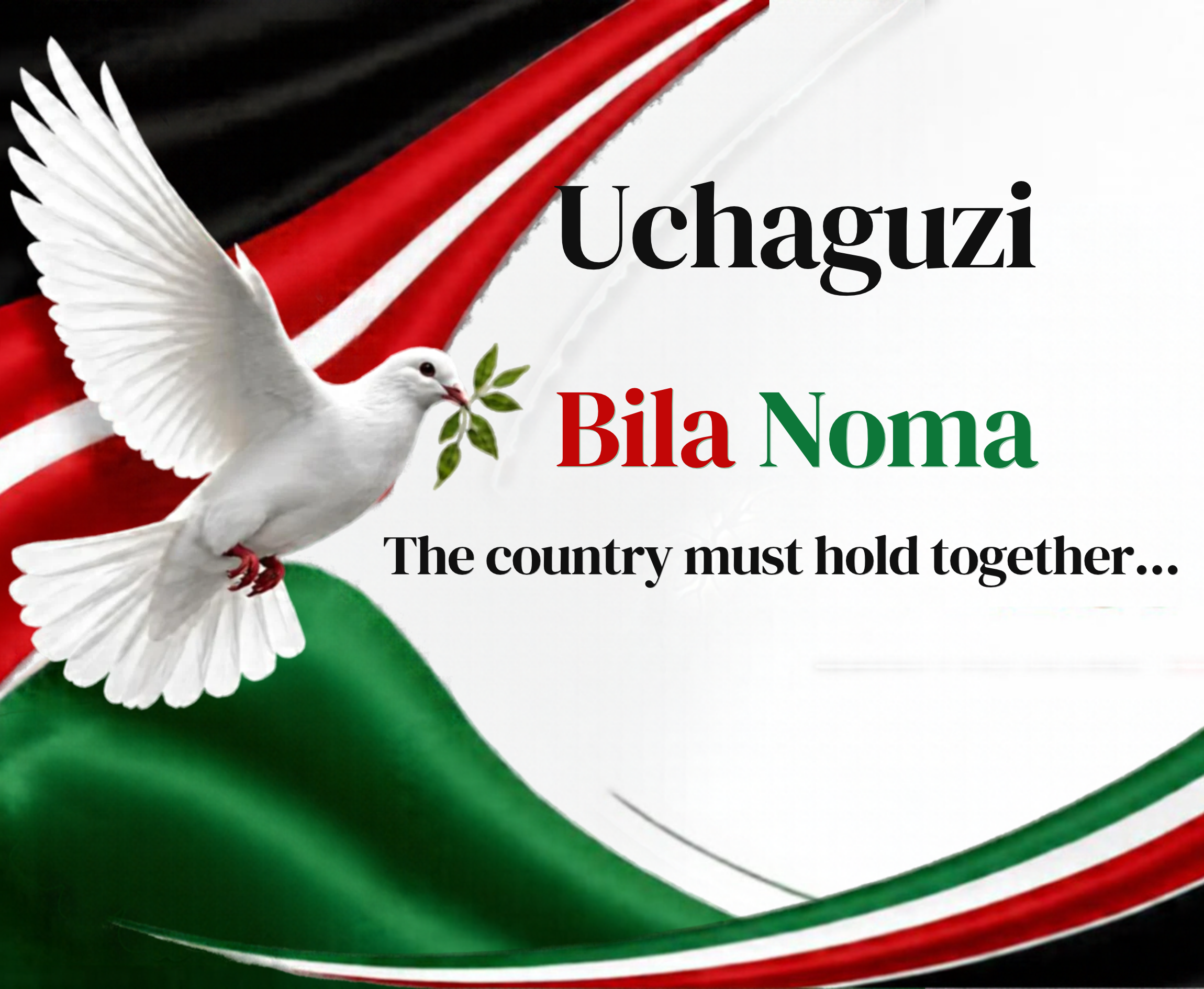
Elections Will Come and Go, But Peace Must Remain: What I Learned at the NCIC Peace Forum
By Polycom | Nairobi, October 2026
In 2007, Kenyans voted peacefully. The violence came afterwards, after incitement had done its work. That memory hung over the room at Ngong Hills Hotel on Wednesday, 7th October 2026, when the National Cohesion and Integration Commission (NCIC) gathered stakeholders from across Nairobi County for one purpose: to make sure it never happens again.
Polycom was proud to be invited. The engagement was held with the support of UNDP and KOICA to discuss the Roadmap to a Violence-Free 2027 General Election, Uchaguzi Bila Noma (Second Edition). Elders, faith leaders, women and youth groups, civil society, peace committees, security actors and local administrators all sat together from morning to evening. Here is the story of the day, and why it matters to you.
“We do not want to act after the houses are burnt”
The Commission was blunt about its approach. It is a preventive body. It does not want to arrive after houses are burnt and lives are lost. Instead, NCIC and the IEBC presented their national roadmap for 2027, which the Commission described not as a bible but as a general guide. It is being rolled out to all counties over the next month, and Nairobi comes first because Nairobi sets the pace for the country.
The goal for the day was practical: understand the situation on the ground, name the hotspots (Kibra, Mathare, Mwiki, Mukuru and Mvita among them), map the stakeholders, and build local strategies to stop electoral violence before it starts.
Words can start fires
We spent time on hate speech, and the message was clear: inflammatory and discriminatory language spreads through communities, politics and social media, and it leaves real damage behind. It divides people, deepens mistrust, causes fear and psychological harm, and makes violence more likely.
The Constitution protects freedom of expression in Article 33, but Article 33(2) draws the line: it does not cover hate speech, incitement to violence or advocacy for war. And here was a hard truth from the Commission. It is not only politicians. The insults NCIC receives on social media after each determination show that ordinary citizens engage in hate speech too.
The Commission also cleared up some misunderstandings:
- NCIC cannot arrest or prosecute. That power belongs to the Director of Public Prosecutions. NCIC’s core work is mediation, prevention and peace-building.
- Its determinations are not “soft”. They carry detailed guidance, but many people read only the headlines.
- It is working to stay neutral. Whichever political side it summons leaders from, the other asks why its people were not the ones jailed.
Five ways to keep the peace
The roadmap rests on five ideas any of us can put into practice:
- Build trust through dialogue, transparency and accountability.
- Choose responsible leadership that uses peaceful, respectful language.
- Engage the youth in peacebuilding, civic education and decision-making.
- Practise digital hygiene. Verify before you share, avoid inflammatory content, and report what is harmful.
- Disrupt conflict early by spotting warning signs and acting before tension turns into violence.
Peace is built locally
Much of the day was about structures that are already close to the people. The National Government Administration Officers (NGAO) will lead coordination at location and sub-county level, working through chiefs and Deputy County Commissioners, with a County Commissioner’s hotline for early warning. Alongside them, peace committees, elders, Nyumba Kumi, faith-based organizations, women and youth groups and chief barazas all have a part to play in early warning and early response (EWER).
Participants also suggested practical ways to reach young people: engage them as peace mediators and champions, link them to Amani Clubs in schools and colleges, and give them productive work through initiatives like Kazi Mtaani, so that idleness is not left open to political manipulation. They also called for using social media positively, to promote peace and counter fake news.
Why women must be at the centre
This was Polycom’s contribution, and we stand by it: women are key peace actors in any community, and it is prudent that we train them as peace actors to prevent violence.
In informal settlements like Kibra, Mathare and Mukuru, women are closest to the everyday tensions that can grow into conflict. They are often the first to notice that something is wrong. This is the thinking behind United Nations Security Council Resolution 1325 on Women, Peace and Security, which rests on four pillars: participation, protection, prevention, and relief and recovery. In practice, that means training women in mediation, early warning and countering misinformation, and placing them firmly inside peace committees, Nyumba Kumi and chief barazas.
The money is thin, so the passion must be thick
The Commission was honest about resources. Of this year’s Ksh 600 million budget, Ksh 450 million went on salaries, and after clearing a Ksh 100 million debt only Ksh 50 million remained for programmes across the whole country. Crises in Ethiopia, South Sudan and the DRC have also pulled donor funding away from Kenya’s peace work.
The response from the room was inspiring. Stakeholders resolved not to wait for outside funding. They will form a WhatsApp group, hold their own meetings, chip in small amounts for sodas, find a hall and talk. Elaborate meals are not necessary; meaningful engagement is. They were also encouraged to seek funding independently, collaborate through the County Commissioner’s office and civil society, and photograph every activity as evidence. Notably, this was the first meeting where people stayed from morning until evening without leaving, even without an allowance. That is passion for peace, not money.
Peace begins at home
My favourite message of the day was the simplest. You cannot give what you do not have. You cannot seek peace outside if you do not have peace with your neighbour and within your own home. Peace begins within you. Even sharing tea together is itself peace.
There was a wider point too. Kenya has become something like the United States of East Africa, where people from across the region come to live and work, just as Kenyans go abroad. Every one of us is an ambassador, and we must make sure our nation stands strong.
What happens next
The forum agreed to a clear way forward: NGAO to lead coordination with NCIC technical support, a WhatsApp group for all peace actors, activation of the EWER mechanism with threats channelled to the right institutions, stronger sensitization against hate speech online, youth linked to existing structures, and a full report with photos sent to the DCC and County Commissioner. NCIC will also call stakeholders back for feedback area by area, including Mathare and Mukuru.
Our call to you
Peaceful elections are a collective responsibility, and that includes you: government, political leaders, civil society, the media, technology platforms, communities, religious institutions and every citizen. Reject hate speech. Verify before you share. Respect political and ethnic differences. Report threats and incitement. Choose dialogue, offline and online.
The country must hold together. Elections will come and go, but peace must remain for our children and grandchildren.